


Last Updated: November 10, 2026
Quick Summary
Natural bridal makeup in 2026 focuses on three parts: skin that looks lit from within, soft defined eyes and brows, and warm, wearable lips and cheeks. Each part can be turned up or down depending on the wedding, the venue and the bride's taste.
- Start with a hydrating base and sheer foundation or skin tint, then add a dewy highlighter on the cheekbones.
- Use a soft taupe or warm brown shadow liner along the upper lash line, applied with a damp brush.
- Pair the look with a cream blush in soft rose or peach, blended upward on the apples of the cheeks.
- For summer weddings, do a full wear test four to six weeks before the wedding, then repeat it two weeks out.
- Pack a touch-up kit with blotting papers, translucent powder, lip color and a mist bottle, kept with a bridesmaid.
Table of Contents
- Which Natural Bridal Makeup Look Ideas Are Trending for 2026
- Natural Bridal Makeup Look Ideas 2026 Simple: Timeless and Low-Effort Options
- Natural Bridal Makeup Look Ideas 2026 Summer: Staying Fresh in Heat and Humidity
- Natural Wedding Makeup for Fair Skin: Undertones, Blush, and Bronzer Choices
- Natural Wedding Makeup for Black Girls: Warm Tones, Glow, and Inclusive Shade Matching
- Photo-Tested Prep, Trials, and Touch-Up Plans for Your Wedding Day
- Booking Your Bridal Trial and Keeping Your Glow Between Visits
- Frequently Asked Questions
Which Natural Bridal Makeup Look Ideas Are Trending for 2026
Natural bridal makeup is leading wedding beauty in 2026, and the appeal is simple: the bride looks like her best self, not like a different person. For a deeper product roundup, see long-wear bridal makeup products.
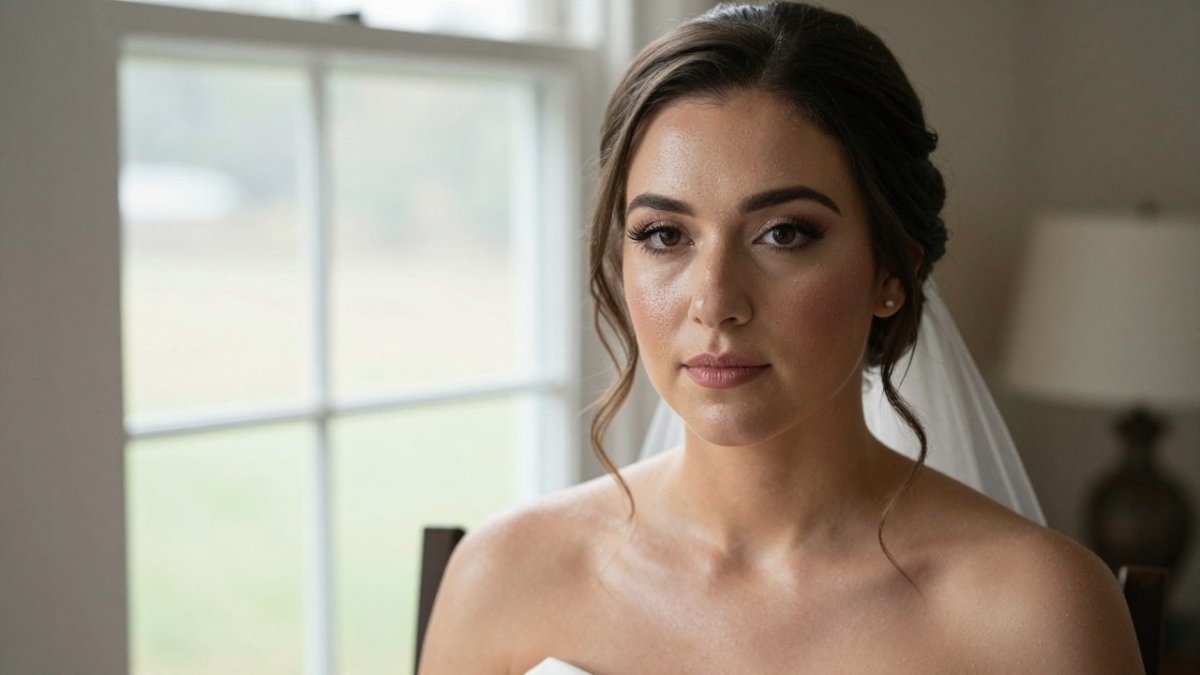
The trend has three clear parts. Skin comes first, with a glow that looks like skin rather than shimmer. Eyes and brows follow, kept soft and defined. Lips and cheeks finish the look in warm, wearable shades.
Natural Bridal Makeup Look Ideas 2026 Simple: Timeless and Low-Effort Options
A simple approach to natural bridal makeup look ideas in 2026 focuses on a few well-chosen steps. Brides who want less time in the chair, or who simply prefer a quieter look, tend to choose this route. The goal is a polished face that still feels like you on the day.
Dewy skin and soft definition
Start with a hydrating base and a sheer foundation or skin tint. Add a light concealer only where it is needed, then set the center of the face with a fine powder. Finish with a dewy highlighter on the high points of the cheekbones and the bridge of the nose. Skip heavy contour and keep the glow focused where light naturally falls.
Shadow liner and flushed cheeks
Shadow liner gives the eyes depth without the sharpness of a classic wing. Pat a soft taupe or warm brown along the upper lash line with a damp brush for a look that reads as defined in photos but never harsh. Pair it with a cream blush in a soft rose or peach, placed on the apples of the cheeks and blended upward. This combination looks fresh from the ceremony through the reception.
Natural Bridal Makeup Look Ideas 2026 Summer: Staying Fresh in Heat and Humidity
A summer wedding in the Chicago suburbs can mean a 90°F afternoon, a tented reception with no cross-breeze, and photos taken in direct sun. Heat and humidity break down foundation, blur liner and shift color within a few hours, so a summer-ready natural bridal look is built in layers and tested before the day, not improvised on it.
Prep by skin type, not by trend
Oily skin benefits from a mattifying primer only on the T-zone, with a hydrating primer on the cheeks so the finish does not go flat. Dry skin does better with a glycerin-rich moisturizer and a dewy primer all over, then a light setting powder only where makeup tends to slide. Combination skin usually needs both approaches split across the face. Mature skin holds makeup better with a cream-based base and a fine translucent powder pressed, not swept, into the center of the face.
Build the base to survive humidity
Apply a thin layer of primer and let it set for two to three minutes before foundation. Use a long-wear, water-resistant foundation or skin tint and press it in with a damp sponge rather than buffing, which pushes product into pores and can break down faster. Set only the center of the face with a fine translucent powder, then mist a humidity-labeled setting spray in an X and T pattern and let it dry fully before the next layer.
Eyes, cheeks and lips that hold
Cream eyeshadow moves fastest in heat, so a powder-finish shadow in taupe or warm brown is a safer base, with a cream shadow only as a thin wash underneath. Shadow liner applied with a damp angled brush sets better than a gel pencil alone. For cheeks, a cream blush set with a matching powder blush gives color that survives blotting. A long-wear lip stain topped with a hydrating balm reads natural and needs less refreshing than a gloss. Keep cheek color slightly softer than you would indoors, since heat and blotting can intensify it.
Wear-test before the wedding
A practical timeline: do a full wear test at least four to six weeks before the wedding, ideally on a day with similar heat and humidity. Wear the exact base, setting spray and lip for eight hours, photograph yourself in daylight and with flash at the four-hour and eight-hour marks, and note where makeup broke down. Adjust the primer or powder, then repeat the test two weeks before the wedding. Pack a touch-up kit with blotting papers, a small translucent powder, the lip color, a cotton swab and a tiny mist bottle, and keep it with a bridesmaid rather than in a car trunk. Set phone reminders to blot and refresh lips before the ceremony, before formal photos and before the first dance.
Watch out: a setting spray labeled for humidity can still cause flashback in photos if it contains high levels of silica or titanium dioxide, so test it under flash during the wear test, not on the wedding day. Because a comfortable, balanced base is less likely to need heavy correction under flash, consider how sensitive-skin choices fit into the Keith Clark Collection.
A summer-ready natural bridal look depends on a few practical timings and checks, summarised below.
| Step | What to do | Time or frequency |
|---|---|---|
| Wear test | Wear the exact base, setting spray and lip for eight hours | Four to six weeks before the wedding |
| Repeat test | Run the wear test again in similar heat and humidity | Two weeks before the wedding |
| Primer setting | Let primer set before foundation | Two to three minutes |
| Patch test | Test any new primer or setting spray on sensitive skin | At least two weeks before the wedding |
| Photo check | Photograph in daylight and with flash | At the four-hour and eight-hour marks |
| Touch-up kit | Keep it with a bridesmaid, not in a car trunk | Refresh before ceremony and formal photos |
Natural Wedding Makeup for Fair Skin: Undertones, Blush, and Bronzer Choices
Fair skin takes natural makeup well, but the shade choices matter more than the trend. Readers weighing a glow option can compare whether a spray tan or skin glow suits the day. The first step is to check whether your undertone reads cool, warm or neutral in natural daylight, not under bathroom bulbs. Look at the veins on your inner wrist: blue or purple usually points to cool, green to warm, and a mix to neutral. Cool undertones usually suit rose, berry and soft mauve blushes, while warm undertones look better with peach, coral and soft terracotta.
Blush placement and finish
On fair skin, a cream blush in a soft rose or peach placed on the apples of the cheeks and blended upward gives a flushed look that reads natural in daylight. A powder blush set lightly over it helps the color last through photos and a reception. Keep the placement slightly higher than the apples for a lifted look, and avoid a stripe of color across the cheek, which photographs as a hard line.
Bronzer without the orange cast
For a bronzed look on fair skin, choose a bronzer one shade deeper than your skin and apply it lightly with a large, fluffy brush along the temples, jawline and the bridge of the nose. A bronzer with a neutral or slightly cool undertone is less likely to read orange in photos than a warm terracotta. Build in thin layers rather than one heavy pass, and check the result in daylight before adding more. Gradual self-tanning products can add warmth without the heaviness of makeup. You can also check whether a professional airbrush tan is available in Oak Brook.
Photography and flash considerations
Fair skin shows flashback more readily than deeper tones, so avoid a foundation or powder with high silica or titanium dioxide content, and ask your artist to photograph the finished look with flash during the trial. Shimmer on the forehead, nose and chin can read as oil in photos, so keep highlighter on the high points of the cheekbones and the bridge of the nose only. A satin or matte primer on the T-zone helps control shine without flattening the glow.
Wear-test and touch-up plan
Do a full wear test four to six weeks before the wedding with the exact blush, bronzer and base you plan to use. Photograph yourself in daylight and with flash at the four-hour and eight-hour marks, and note whether the bronzer shifted orange or the blush faded. Pack a touch-up kit with a small powder, the blush, a blotting sheet and a cotton swab, and refresh before the ceremony and before formal photos.
Watch out: a bronzer that looks natural indoors can read several shades darker in direct sun, so test it outdoors at the same time of day as your ceremony before committing.
Natural Wedding Makeup for Black Girls: Warm Tones, Glow, and Inclusive Shade Matching
Natural bridal makeup should work beautifully on every skin tone, and deeper complexions deserve careful shade matching. Foundation and concealer should match the skin's undertone, not only its lightness.
Warm bronze, copper and rich plum shades look luminous on deeper skin. A highlighter in a gold or champagne tone gives the glow many brides want, and a berry or warm brown lip often reads as the most natural choice. The aim is the same as for any bride: skin that looks healthy, lit and unmistakably herself.
Photo-Tested Prep, Trials, and Touch-Up Plans for Your Wedding Day
Photos reveal things the mirror hides. Flash can cause flashback, a white cast around foundation, and shiny areas can read as oil. To prevent this, use a matte or satin primer on areas that shine and avoid heavy shimmer on the forehead and nose.
Plan a touch-up kit with a blotting sheet, a small powder, a lip color, and a cotton swab for smudges. Keep the kit in an accessible bag rather than in a car trunk, and set a reminder to refresh the lip and check the set before the ceremony and before the photos.
Booking Your Bridal Trial and Keeping Your Glow Between Visits
A bridal trial is the best way to confirm your look before the day.
Between visits, a gradual self-tanner can keep your skin warm and even. Our Gradual Glow Lotion ($29.00) works as a self-tanner, tan extender and moisturizer in one, and our Hydrating Body Lotion ($20.00) is a daily moisturizer for soft skin.
To book a bridal session with our team, see our book a bridal hair and makeup session service page. For help choosing an artist, read How to Choose a Bridal Makeup Artist in Oak Brook.
Ready to see your natural bridal look before the big day?
Frequently Asked Questions
What are the bridal makeup trends for 2026?
Current 2026 bridal makeup leans toward soft glam and timeless natural looks. Common elements include dewy, glowing skin rather than matte coverage, soft eyeliner or shadow liner in place of harsh wings, flushed cheeks in creamy blush shades such as deep rose or berry, and lip color in tinted, hydrating formulas. Neutral and pink-toned eyeshadows with a subtle pearlescent finish remain popular. Choose the elements that suit your features and your wedding setting, rather than adopting every trend at once. A trial appointment is the best place to test which of these fits your face and day.
What is the best makeup for a natural wedding look?
For a natural wedding look, start with a lightweight foundation or skin tint, a concealer applied only where needed, and a setting powder kept to the T-zone. Add a cream blush for flushed cheeks, a neutral eyeshadow with a soft shimmer, and a brow shape that frames the eye without heavy filling. A tinted lip balm or a long-wear lip in a close-to-natural shade completes the look. Long-wear formulas help the makeup last through ceremony and reception, and a setting spray can extend wear. Ask your artist to adjust intensity so the result looks like your everyday face, only refreshed.
How can I make my wedding makeup look natural in photos?
Photographs tend to flatten skin and exaggerate shine or heavy color, so a natural look needs some planning. Choose a satin or dewy finish rather than matte, keep blush slightly softer than you would in person, and avoid very cool or ashy shades that can look gray on camera. Use a setting spray and blot shine at the T-zone during the day. Bring a small touch-up kit with powder, a blush or lip color, and blotting papers. Ask your photographer about lighting and go over your look at a photography-focused trial if possible.
What should I bring to a bridal makeup trial?
Bring a photo of your wedding hairstyle and dress neckline, plus two or three inspiration images that show the level of makeup you want. Wear the top you plan to wear on the wedding day and come with a clean, moisturized face and no heavy foundation. Bring any skincare products you use daily and a list of any allergies or sensitivities. Note your ceremony time and lighting, indoor or outdoor. Take photos during the trial in both natural and indoor light so you can judge how the look reads on camera before booking your final date.
